
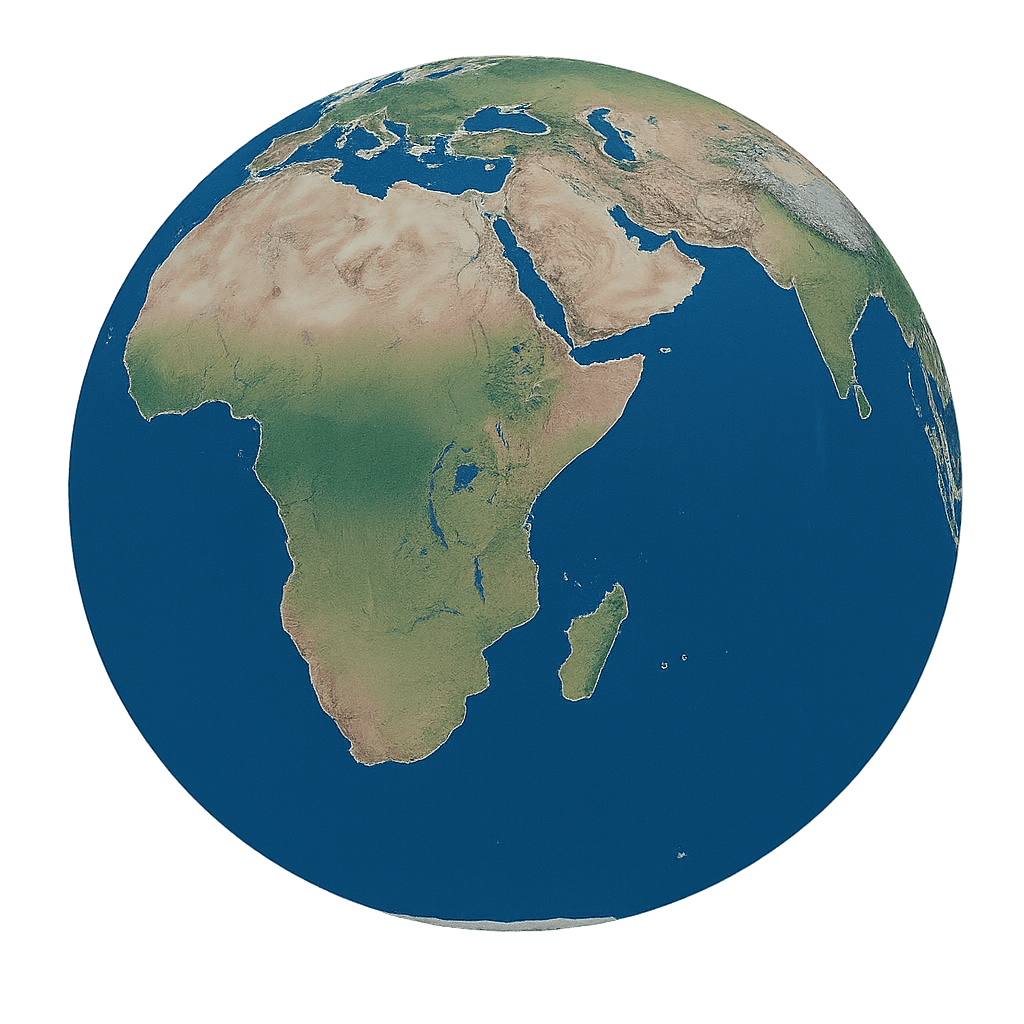
Ethiopia–Nile Dams Row: Ethiopia’s foreign affairs chief says the country has a sovereign right to build dams and rejects any “monopolistic” control over Nile waters, citing international practice. Ethiopia Conflict Watch: UN chief António Guterres warns of rapid deterioration in northern Ethiopia, urging restraint, civilian protection and safe humanitarian access. Kenya Energy Buildout: Engineers India Ltd will act as PMC/EPCM for Dangote’s $450m greenfield refinery and petrochemical project in Kenya, aiming to cut fuel import reliance and boost regional energy security. Liberia Climate-Natural Capital Push: Liberia unveils a plan to turn over $30bn in natural capital into growth and climate resilience, linking resources, conflict prevention and community benefits. Liberia Malnutrition Alarm: Aid cuts and rising costs have driven childhood malnutrition to triple, with officials warning of long-term damage to human capital. Digital Rights in Liberia: Ten CSOs form a digital rights coalition pushing for a data protection law, stronger oversight of surveillance and accountability on internet shutdowns. Morocco Election: Morocco’s center-right PAM leads parliamentary results, with turnout at 38% and no major shift expected in the monarchy’s power balance. Football & Africa Market: PariPesa becomes Olympique de Marseille’s Regional Africa partner, rolling out fan activations and digital campaigns across the continent.
AGP Executive Report
Your go-to archive of top headlines, summarized for quick and easy reading.
Note: AI summary from news headlines; neutral sources weighted more to help reduce bias in the result. Feedback is welcome. Please let us know if you have any comments or suggestions about the AGP Executive Report.
Climate Risk: A “very strong” El Niño could drive up heat deaths by about 451,000 worldwide through February, with Africa’s Sahel facing a projected 66,800 extra heat-related deaths, including nearly half in Nigeria. Justice & Rights: The ICC conviction of a senior Seleka commander in the Central African Republic is hailed as a milestone for victims, but rights groups warn it must be followed by more accountability. Health Crisis: Congo’s Ebola outbreak is straining the health workforce, with WHO warning of shortages as cases surge in North Kivu. Regional Security: The AU is alarmed by rising tensions in northern Ethiopia, including reported moves involving civil airports, and calls for restraint under the Pretoria peace deal. Energy & Diplomacy: Nigeria’s Tinubu celebrates the $800m Ima Gas project reaching FID after 53 years, while Ukraine warns Russia over energy attacks ahead of winter truce talks. Trade & Partnerships: Ghana and China reaffirm deeper cooperation as ECOWAS Parliament leadership shifts in Accra, and a Togo-Ghana B2B forum aims to unlock AfCFTA-linked partnerships.
UNGA Diplomacy: Egypt and Morocco’s foreign ministers met in New York to deepen economic, trade and investment ties and coordinate on regional issues including Palestine, Sudan and Libya. UN Health Financing: Ghana’s President Mahama launched the Accra Reset High-Level Panel report, pushing a “new global bargain” for Global South control of health funding and priorities. Energy for Jobs: Namibia’s President Nandi-Ndaitwah told the UN that Africa’s energy transition must drive industrialisation, jobs and local manufacturing—not just exports of electricity and raw minerals. Water Gap: Namibia called for urgent action to close Africa’s water investment shortfall, saying the continent needs an extra $30bn a year to meet 2030 water and sanitation goals. Digital Finance: Airtel Money confirmed plans for a London Stock Exchange IPO, with an IFC cornerstone investment and a prospectus due in early October. Climate Risk: UN agencies warned El Niño is becoming a major public health threat, raising risks of drought, disease and food insecurity across southern Africa. Regional Security & Crime: GIABA urged West African journalists to intensify investigations into money laundering and financial crimes as cross-border threats grow. Tech Infrastructure: Intel and Submer announced AI and high-density data centre infrastructure work across the Middle East, Africa and Turkey.
UN Reform Push: UN chief António Guterres used his final UNGA week address to demand Security Council reform, calling Africa’s lack of a permanent seat “unjust and indefensible.” DRC Mediation: The AU and UN backed Togo-led mediation in the DRC-Rwanda dispute, with a roadmap through end-2026. Sudan Ceasefire Tension: The US reportedly withheld a visa for Sudan’s army chief Abdel Fattah al-Burhan ahead of UNGA, linked to a proposed 90-day ceasefire. Morocco’s Sahara Diplomacy: Morocco won fresh UNGA-side support for its sovereignty claim, with Chile backing its autonomy plan and Morocco-EU talks also highlighted. Health & Tech: MTN and the Gates Foundation launched an AI maternal-health initiative in Nigeria targeting 500,000 women by 2030; Redeemer’s Health Village carried out West Africa’s first tele-robotic surgery. Water & Accountability: Nigeria’s Kano WASH programme saw projects left unfunded or locked up, raising questions on delivery. Trade & Transport: Tanzania urged lower freight costs and better corridors at ACOSCM in Arusha. UNGA Africa Representation: Venezuela called for expanding African presence in the Security Council via CELAC-AU talks.

Cholera Response Boost: WHO and KSrelief signed a $5.3m deal to strengthen cholera preparedness and response across Cameroon, Chad, Mali, Niger and Nigeria, aiming to protect 6m people through earlier detection and faster treatment. Energy Transition in Nigeria: Nigeria’s Distributed Renewable Energy Fund hit a commercial launch milestone with a $300m vehicle co-managed by Africa50 and the Nigeria Sovereign Investment Authority, backed by the World Bank, to scale mini-grids and solar. Sudan Hunger Crisis: WFP warns that aid cuts are worsening one of the world’s biggest hunger emergencies as conflict-displaced people in Sudan face rising food insecurity and funding shortfalls. Ghana Port Security Shock: A major cocaine seizure at Dunkirk has reignited scrutiny of Ghana’s port controls, with allegations of insider sabotage and customs failures. UNGA Diplomacy Moves: Nigeria’s delegation led by Vice President Shettima heads to UNGA81, while Liberia and the US discussed expanding maritime investment and security cooperation. EV Momentum in Ethiopia: Nordic investors are eyeing Ethiopia’s renewable power and EV charging build-out after the Nordic Africa EV Summit.
West Africa Entrepreneurship: ECOWAS will showcase 60 start-ups at the 2nd ECOWAS Startup Awards in Abuja, with virtual master classes and seed funding for top teams. Namibia Digital Identity: Namibia pledges legal identity for all by 2030, tying e-birth registration to lifelong access to services. Yemen/Red Sea Security: Houthis push to seize Yemen’s high ground to cut off the Red Sea coast, while the UN’s WFP ramps up aid for displaced families. Ghana Youth Media: The Base Movement launches an online radio, website and operations manual in Accra, framing it as a push for Nkrumah-style economic liberation. Tanzania One Health: Tanzania funds livestock vaccination and identification under a One Health approach, aiming to protect food security and livelihoods. Digital Payments: Mastercard moves toward wallet interoperability at scale via Wallet Pay, linking major mobile and payment players. Nigeria/US Court: A US plaintiff seeks permission to question President Tinubu over alleged cyberattacks tied to his website. Africa Trade & Finance: Afreximbank and ATDC sign a $500m facility to boost intra-African trade. Energy Transition Debate: Ethiopia’s president argues renewables must come with grids, storage and financing—not just new generation.
UN Water Financing Push: Namibia’s President Netumbo Nandi-Ndaitwah heads to UNGA to press for real funding and bankable projects to close Africa’s water and sanitation gap. Cross-Border Electric Mobility: Kenya and Ethiopia’s electric buses meet at Moyale, showing how charging, customs and logistics still make or break the green transport push. US Deportations Under Deals: A new investigation says the US has deported 25,000+ migrants to third countries under secretive agreements, with millions earmarked for receiving states. UNGA Diplomacy in Focus: Nigeria’s VP Kashim Shettima leads the delegation while Tinubu’s repeated UNGA absence sparks fresh political heat. ECOWAS Market Integration: The ECOWAS competition authority calls for fairer rules and deeper regional market integration. Mali Security Fallout: Analysis links Mali’s military setbacks to wider economic and household disruption. Somalia Counterterror Move: Somalia’s intelligence agency says it killed al-Shabaab commanders in Middle Shabelle operations. Education Access in Nigeria: JAMB lets UTME candidates update lost phone/email details at designated CBT centres. Digital Transformation in Energy: Arab Tank Terminals selects IFS Cloud for ERP rollout across finance, procurement and maintenance.
UNGA Diplomacy: Nigeria’s President Tinubu will not attend the 81st UN General Assembly in New York in person, sending VP Kashim Shettima to lead the delegation and deliver Nigeria’s national statement, with side events on the “Accra Reset” and reparatory justice. Political Accountability: Atiku Abubakar and the APC trade barbs over Tinubu’s repeated UNGA absences and the legal basis of Atiku’s proposed fuel production subsidy. Energy & Trade: Dangote’s refinery IPO pitch continues as investors are told the offer is low-risk; meanwhile, Europe’s refiners face supply shifts as Saudi Aramco reportedly cuts October crude to European buyers, pushing demand toward US barrels. Regional Security: Niger’s coup aftermath story spotlights General Tiani’s tightening fear and rebellion spiral. Economy & Finance: Egypt moves ahead with a National Economic Transformation Programme while coordinating on inflation and dollar inflows; Somalia hosts a development financing forum to shift from recovery spending to long-term investment. Infrastructure & Logistics: Etihad Rail and AD Ports launch a direct rail link from Fujairah to Abu Dhabi’s ICAD with customs-enabled cargo handling. Governance & Services: Liberia confirms a major jailbreak at Kakata Central Prison as authorities hunt escapees.
Ebola Response: DR Congo expanded Ervebo vaccination to Ituri, with MSF and Africa CDC launching a study in Bunia to assess protection against the Bundibugyo strain, as more than 3,700 people have already been vaccinated. Security Watch: Nigeria’s Oyo State police and NSCDC boosted protection of schools, worship centres and NYSC facilities after an ISWAP attack alert, while the ECOWAS Court convened a Dakar conference on justice, rights and judgment enforcement. Energy & Climate: Ethiopia’s electric utility warned it could cut power to Bitcoin miners if El Niño drought worsens, and GSMA flagged a major Sub-Saharan digital “usage gap” driven by handset affordability. Health Tech: Nigeria recorded its first tele-robotic surgery, using a remote, robot-assisted procedure in Abuja to remove a cancerous kidney tumour. Trade & Investment: World Bank said it mobilised a record $112bn in private capital, while Rwanda and Pakistan plan a bilateral trade deal at a Kigali forum. Politics & Diplomacy: Egypt and the US deepened CIA-GIS intelligence coordination, and the US removed Eritrea-related sanctions amid Red Sea tensions.
UN Map Row: The UN General Assembly voted to “Correct the Map,” pushing countries to retire the Mercator projection that makes Africa look smaller, with the US casting the lone no vote. US Deportations: A US appeals court ruled third-country deportation policies are unlawful unless migrants get enough notice and a real chance to challenge removal. Kenya at UNGA: President William Ruto heads to New York to pitch jobs and investment, including the Lamu refinery and an AI agenda. Nigeria Social Protection: Civil society groups demand Nigeria expand pensions, healthcare and unemployment support for informal workers. Health Access: An ophthalmologist warns against delaying cataract treatment for children, citing risk of permanent vision damage. DRC Ebola: DRC expanded Ebola vaccination in Ituri, with thousands already receiving Ervebo as a study ramps up. Angola-Egypt Culture: Angola and Egypt signed a cultural deal to train Angolan archaeologists and paleontologists in Egypt. Trade & Telecoms: EXIM Bank approved a $99.6m loan for Africell’s Angola expansion, while Afreximbank and ZEP-RE signed a skills partnership for trade and insurance.
Deportation Court Ruling: A US appeals court largely upheld a block on Trump-era third-country deportations, saying migrants must get effective notice and a real chance to raise safety fears before removal. Ghana IPO Buzz: Nigeria’s Dangote refinery “people’s IPO” is sparking viral memes as retail investors rush in, while the company promises de-risked dividends and points to a completed asset. Youth & Migration (Nigeria): Oyo State and ICMPD launched a €2.4m agriculture project to empower 700 youths, including returnee migrants, aiming to cut irregular migration. Health Policy (Africa): Ubuntu Rising 2026 gathered young health leaders to push nine recommendations on jobs, innovation and leadership for stronger health systems. Kenya–US Security: Kenyan and US forces held their first combined base defense exercise at Manda Bay to improve counter-terrorism protection. Agritech Award (Nigeria): NSPRI won an ISSCA global award for its parabolic solar dryer, targeting lower post-harvest losses. Sports Infrastructure (Kenya): Nairobi’s planned 10,000-seat indoor arena moves ahead in a $294.5m project tied to a wider rail-city entertainment hub.
Tourism & Conservation: Uganda says gorilla tourism revenue hit Shs110bn in 2025/26, up from Shs86bn in 2023/24, as the mountain gorilla population grows and Bwindi/Mgahinga earnings rebound after earlier travel-advisory dips. Nollywood & Culture: Veteran filmmaker Tunde Kelani mourns Olu Jacobs as a “founding patriarch” of modern Nigerian screen performance, recalling how Jacobs led a student diploma film and later starred in M-Net’s “Twins of the Rainforest.” UN Diplomacy: Nigeria’s Tinubu is reported to skip the 81st UN General Assembly in New York despite earlier confirmations. Energy Access (Nigeria): A power-sector critique argues official progress claims miss the scale of unserved communities and unreliable grid access. Security & Policy (Somalia): The US agrees to give the UN another year to wind down support for AU peacekeepers in Somalia, easing abrupt cut fears. Regional Trade (East Africa): Shippers warn East Africa’s trade is squeezed by high, unpredictable logistics costs, border delays and fuel. Media Freedom (Ghana): Government backs Ghana Journalists Association’s bid to host the Federation of African Journalists congress. Counter-Terrorism (Kenya): Kenya launches a community counter-terrorism hotline and online portal for early-warning reporting. Geopolitics (Eritrea): US lifts sanctions on Eritrea’s military and key entities as Red Sea focus intensifies.
AI & Terror Threats: Cambridge research says Boko Haram/ISIL-linked fighters are using Big Tech chatbots to plan attacks and build bombs, while Tech Against Terrorism reports pro-ISIL forums sharing ways to bypass AI safety controls. Regional Security & Diplomacy: Nigeria warns foreign missions against “unguarded” democracy lectures ahead of 2027 elections, as ECOWAS pushes its biometric identity card to ease cross-border travel and trade. Kenya Law Enforcement: The US-funded National Criminal Investigations Academy in Nairobi opens a new 16-classroom block to expand specialised training. Trade & Digital Logistics: Ethiopian Cargo plugs into CargoAi for real-time freight booking, while SpaceX’s Starlink Mobile gets FCC approval to offer international telecom services. Economy & Finance: World Bank says it mobilised a record $112bn in private capital for developing economies in 2026, with Africa’s share rising sharply. Energy & Industry: Oilserv signs Gabon deal to develop hydrocarbon blocks; Liberia plans a multi-purpose ferry to boost coastal transport. Health & Society: Research flags an ADHD diagnosis gap for girls from immigrant and multilingual backgrounds.
Restitution Fight: Ethiopia is demanding the return of the “Gondarine Gospel,” a rare manuscript taken by British forces in 1868, after it resurfaced in a private sales catalogue for the Abu Dhabi International Book Fair. Mining & Power: Allied Gold says Ethiopia’s Kurmuk mine has reached key milestones—grid connection completed and first ore fed into the crushing circuit—as commissioning moves toward first gold. Oil Discovery: OMV announces its Essar well in Libya’s Sirte Basin is commercially viable, with recoverable resources estimated up to 43 million barrels and fast-track development possible due to nearby infrastructure. Red Sea Security: The Houthis’ push around Bab al-Mandeb is reshaping regional risk, with Sahel-Sahara rebel groups also gaining strength amid shifting alliances and proxy dynamics. Health Regulation: The African Medicines Agency signs an MoU with Singapore’s Health Sciences Authority to boost regulatory cooperation and harmonise medical product oversight across Africa. Digital Payments: In Nigeria, Interswitch Connect expands digital payment collection for schools and education platforms, betting on smoother, more secure fee flows. Identity & Rights: Namibia moves to prioritise identity registration for minors, urging families to check birth certificates and documentation gaps.
World Bank Leadership: Nobel laureate Michael Kremer has been appointed World Bank Group chief economist and senior VP for development economics, tasked with steering the institution’s research and data agenda from Oct 1. Security & Risk: A UN-backed global risk report says the world is sliding into an era of more frequent, larger-scale wars, with institutions less able to manage rising threats. U.S.-Africa Development Finance: The US DFC approved over $8bn in projects spanning Ukraine, Jordan and African countries, including support for telecoms, energy storage, digital infrastructure and water systems. Nigeria Energy Pressure: Nigeria’s petrol price hit a record N1,500 per litre in parts of the country, with the Labour Congress warning of wider economic pain. Kenya Health & Industry: Kenya is pushing local healthcare manufacturing and supply chains, while also planning to boost electricity imports from Ethiopia to up to 400MW from December. Governance & Justice: Lawyers and rights groups raised grave concerns about Zambia’s election process, calling out threats to judicial independence and access to justice. China-Africa Defense Ties: China’s defence minister called for deeper China-Africa defense cooperation at a Beijing peace and security forum. Trade & Skills in Ghana: Ghana’s TVET Service and DTI signed a public-private partnership to strengthen TVET and improve youth employability. Diplomacy: Senegal’s President met UAE leadership, with both sides highlighting investment, development cooperation and preparations for the 2026 UN Water Conference.
Digital Infrastructure Push: The U.S. DFC will invest up to $155m in WIOCC to expand African data centres and fibre networks, backing “trusted networks” for AI growth. AI Governance: Kenya’s MPs are urging stronger parliamentary oversight so AI adoption doesn’t outpace laws and safeguards for citizens’ rights. National Identity Drive: Nigeria’s Tinubu orders NIN enrolment to reach 95% of the population by Dec 2026, using ward-level registration and mobile enrolment to close the identity gap. Health Emergency Capacity: Ethiopia’s National Emergency Medical Team becomes the first civilian EMT in WHO’s African region to earn international classification. Elections Inclusion: Nigeria’s INEC says it has captured 137,487 persons with disabilities ahead of 2027 polls, including visually and hearing impaired groups. Energy & Telecom Resilience: Zain Kuwait partners with Schneider Electric to boost reliability and business continuity for critical digital facilities. Maritime Trade Links: Egypt and Senegal explore an Alexandria–Dakar shipping route to deepen maritime cooperation. Politics in South Africa: A court ruling could edge MK closer to controlling KwaZulu-Natal’s budgets, with coalition dynamics in flux. Agriculture Training in Nigeria: Benue farmers say modern farming support from Sasakawa Africa is replacing witchcraft blame with better yields.
Ghana Food Security: Ghana’s Agriculture Minister launched the Ghana Tomato Self-Sufficiency Initiative (GHATSI) to cut tomato import dependence, build a year-round local value chain, create jobs and target surplus for export. Horn of Africa Food Systems: IGAD called for coordinated, large-scale investment to strengthen agrifood systems resilience across the region, linking farming, trade, nutrition, climate resilience and seed policy. Electric Mobility Industrial Push: Ethiopia’s transport minister urged Africa to build electric mobility “by, for and owned by” Africans—pushing local assembly, engineering, R&D, supply chains and battery recycling. Health & Environment: A new review links air pollution exposure to higher risk of serious eye diseases like glaucoma and cataracts. Aviation & Ground Handling: Etihad and Swissport will expand their partnership, raising Swissport-served Etihad airports from 30 to 40, including new African locations. Media Freedom: Ghana’s MFWA set up a GH¢544,000 legal support fund to help journalists facing lawsuits and harassment, including SLAPPs. Democracy & Youth (Liberia): Young Liberians demanded real seats at the table after elections, as Liberia marked International Day of Democracy. Business & Industry (Nigeria): Aliko Dangote said he bought his first private jet at 22, sparking debate as his refinery IPO pushes “democratise wealth creation.” Film & Culture: Beninese filmmakers will graduate from the KAP–SOPA Pan-African Bootcamp in Nigeria, with industry leaders converging to back a stronger regional film industry.
Red Sea Security: Houthis’ push around Bab el-Mandeb is tightening control of the Red Sea chokepoint, raising fears of wider disruption to shipping and energy flows. Canada–Africa Research: Ghana’s Supreme Court justice Dominic Adjei urged Canada to move from “aid” to enforceable, equitable research partnerships where African institutions control questions, funding, data and IP. Mauritania Health & Diplomacy: China’s PLA Navy hospital ship Auspicious Ark arrived in Nouakchott for a medical mission, while France reiterated plans to deepen ties with Mauritania ahead of an Africa summit. Nigeria Power Access: All On invested $5m in PowerGen to expand renewable mini-grids, targeting 6,000 connections and 41,000 beneficiaries. Ghana Oil Exploration: GNPC Explorco showcased the Voltaian Basin’s frontier potential at AOW:Energy 2026 to attract upstream partners. Maritime Trade: Maersk and Hapag-Lloyd resumed four Suez Canal routes as security risks continue to escalate. Zimbabwe Mining Revenue: AfDB warned Zimbabwe’s mining boom isn’t translating into fiscal gains, with royalties around 3% of state revenue. AI for Health: OpenEvidence and Penn Medicine partnered to bring AI clinical decision support to Botswana and U.S. clinicians. EU Funding for Gaza Projects: The Board of Peace says the EU agreed to fund Gaza water and solid-waste pilots and align on further coordination.
Libya Business: Alushibe Holding Group opened a new 45,000 sq ft headquarters in Benghazi, a sign of renewed investment in the city’s reconstruction. Sahel Diplomacy: Mali’s media and officials hailed Prime Minister Sifi Ghrieb’s visit as a milestone for Algeria–Mali ties and Sahel stability. Peace & Disarmament: The AU Peace and Security Council said Algeria will host the 10th Africa Amnesty Month, citing its experience in disarmament and small-arms control. Energy & Investment: Mozambique will host the Africa Gas & LNG Summit (11–13 Nov 2026) in Maputo, aiming to turn gas projects into broader industrial and local value. Nigeria Capital Markets: Aliko Dangote launched a “people’s IPO” for his oil refinery, targeting up to $2.1bn from retail investors. UN Appointments: The UN named Kenya’s Martin Kimani as Assistant Secretary-General for Africa in political and peace operations. Democracy Watch: Liberia’s electoral record was spotlighted as a model for credible, repeated elections and peaceful transfers. Tech & Finance: dLocal partnered with Oscilar to strengthen AML and compliance for cross-border payments. Mobility: Spiro and Yadea teamed up to scale electric two-wheelers and battery-swapping across Africa. Sports Development: Tanzania explores links with FC Barcelona to boost football training ahead of AFCON 2027.
Oil & IPO Watch: Nigeria’s Aliko Dangote launched Africa’s biggest “people’s IPO” for Dangote Petroleum Refinery, seeking up to $2.1bn for expansion, while retail investors face a higher price than earlier institutional buyers. Regional Finance & Climate: China used the BRICS summit push to call for reform of the global financial system, with green finance and debt sustainability at the center of the agenda. Payments Integration: PAPSS says cross-border transactions have surged, expanding to 30+ countries and shifting focus from building the network to scaling real usage. Health & Social Protection: Kenya trial results back smartphone-linked brain tests for epilepsy, improving access outside major hospitals. Security & Diplomacy: The EU warned Sudan’s war is becoming increasingly regional and urged Sudan-led political talks backed by practical action. Crime & Justice: Ghana arrested three men linked to Dutch cocaine kingpin Joseph “Chubby Jos” Leijdekkers after a major cocaine seizure. Energy Storage: Morocco’s OCP Green Energy activated a large lithium battery storage system to smooth solar power for industrial demand. Human Rights: Oyo State police vowed not to compromise on sexual abuse cases, citing recent SGBV and trafficking recoveries.
Sign up for:
Africa In The News
The daily local news briefing you can trust. Every day. Subscribe now.
Check Your Email!
We sent a one-time activation link to: .
Confirm it's you by clicking the email link.
If the email is not in your inbox, check spam or try again.
Welcome back!
is already signed up. Check your inbox for updates.